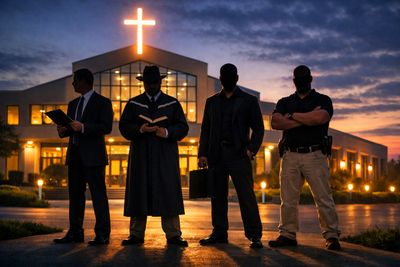
The Pharisees were regarded as experts in the Law of Moses, though they surrounded that Law with layers of human tradition that often overshadowed the commandments of God.
They added traditions, rules, and burdens that God never gave. Jesus said they: “shut up the kingdom of heaven against men, clean the outside of the cup, were blind guides, and were “full of hypocrisy and lawlessness."
Summary: They added rules God never gave, burdened the people, and obsessed over image while neglecting the heart.
Scriptural Record: Matthew 23:13–28
Fingerprints: Image‑driven religion; performance over purity.
The scribes served as the theologians, scholars, and interpreters of Scripture. They twisted Scripture.
Summary: They were experts in the text but strangers to the truth, twisting Scripture to protect influence and maintain power and status.
Scriptural Record: Luke 11:45–52
Fingerprints: Academic theology detached from obedience.
The Sadducees were the aristocratic rulers of Israel who controlled the Temple and collaborated with political powers. Their authority rested on status, wealth, and institutional control, making them some of Jesus’ most determined enemies.”
Summary: They rejected angels, miracles, and resurrection — reducing faith to intellect and politics. They opposed Jesus because He threatened their political alliances and temple control.
Scriptural Record: Acts 23:8
Fingerprints: Rationalized faith; disbelief in spiritual power.
The Chief Priests and Elders were the wealthy institutional power structure of Israel. They were the ruling class that controlled the Temple, governed religious life, and enforced the authority of the Sanhedrin.
Summary: They became some of Jesus’ most determined enemies because His message threatened the system that upheld their power.”
Scriptural Record: Matthew 26:3–4
Fingerprints: Institutional preservation at all costs. They plotted Jesus’s death to protect their positions, fearing loss of authority more than loss of truth.
The greatest enemy of truth is not unbelief — it is religious pride.
The most dangerous deception is truth mixed with ambition.
Every generation must discern whether its leaders serve Christ’s kingdom or their own platforms.
The Watchman’s task is not to condemn, but to trace the pattern — to identify the same spiritual fingerprints appearing in new forms.

Before we can expose infiltration in the modern church, we must recognize its blueprint existed before. The same spirit that opposed Jesus still walks the halls of the sanctuaries.
The religious leaders never disappeared. Their robes changed, their titles changed, their buildings changed — but the spirit Jesus confronted is still operating in religious leadership today.
I met them on my own journey, and the Watchman Files will show you some.”
1. Gatekeepers who block access to God
2. Experts who twist Scriptures to maintain control
3. Performers who love titles, platforms, and applause
4. Blind guides who mislead the people
5. Hypocrites who look holy, but harm the vulnerable
6. Tradition-protectors who resist the voice of God
7. Influencers who create followers twics as deceived as themselves
Copyright © 2026 Beyond the Sanctuary - All Rights Reserved.
Powered by GoDaddy
We use cookies to analyze website traffic and optimize your website experience. By accepting our use of cookies, your data will be aggregated with all other user data.